Experiences
The Complete First-Timer's Guide to iFLY Indoor Skydiving (What to Know Before You Fly)
A practical guide to planning your first iFLY indoor skydiving experience, from booking to flight day.

This story may contain affiliate links. We may earn a commission on qualifying purchases. Read our disclosure.
From our original iFLY article archive. This supplied account is preserved for readers; booking details, availability and eligibility should be confirmed directly with iFLY.
Affiliate Disclosure: This post may contain affiliate links. If you book through one of these links, I may earn a commission at no additional cost to you. I only recommend experiences I believe are worth your family's time and money.
What Indoor Skydiving Actually Is
Let's clear up the most common first question: no, there is no jumping involved. None.
Indoor skydiving happens in a vertical wind tunnel — think of a giant glass tube with powerful fans pushing air upward at skydive-level speeds. You float on the air column the way a surfboard floats on a wave. It recreates the freefall part of a skydive (the fun part, veterans tell me), minus the plane, the altitude, and the parachute physics.
iFLY is the company that perfected this category. By the numbers: over 100 wind tunnels worldwide, more than 54 million flights flown, and a 4.8-star average across tens of thousands of Google reviews. When a company's entire business is "make first-timers fly safely," they get very good at first-timers.
Is It Safe? (The Honest Answer)
This was my first question too, so here's what I learned digging into it before our visit:
- Every flight happens with a certified instructor inside the tunnel beside you — you are never solo on a first flight
- The tunnels are engineered for smooth, stable airflow, which is what keeps your body steady instead of tumbling
- Safety briefings cover hand signals (you can't exactly chat in 120-mph wind) and body positions before anyone flies
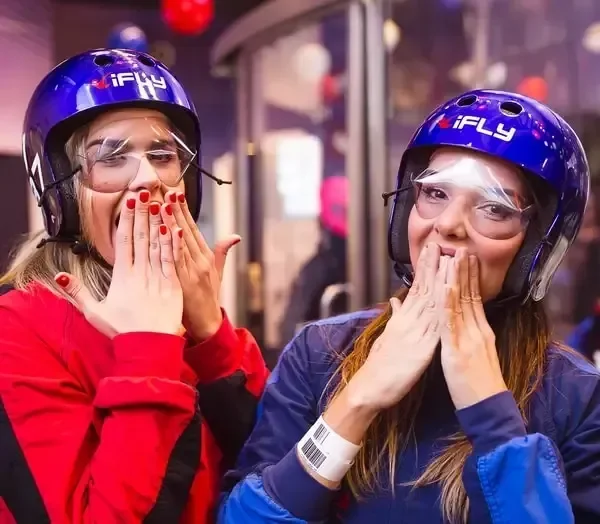
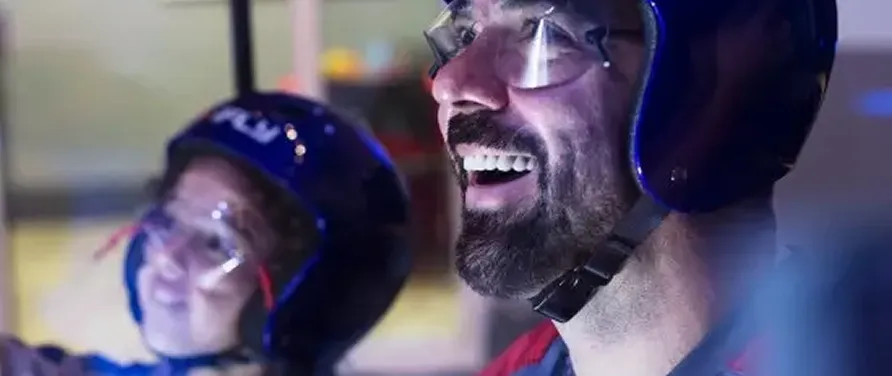
- Everyone gets a helmet, goggles, and earplugs as standard gear
Like any physical activity, there are rules: age minimums apply at the low end (kids as young as 3 can fly with a guardian's waiver), and certain health conditions — shoulder dislocations, heart issues, pregnancy, recent surgery, weights outside the posted guidelines — mean sitting this one out. When in doubt, call your local tunnel before booking. They've heard every question and answer without judgment.
Who Can Fly: Ages, Health, and Requirements
The genuinely remarkable thing about iFLY is the range. Their tagline is "flying is for everyone," and it's close to literal:
- Kids from age 3 can fly, with a parent or guardian signing the waiver — the smallest flight suits exist and they are adorable
- Teens and adults make up most first-timers, and no experience of any kind is needed
- Grandparents fly regularly — there is no upper age limit, just the health guidelines above
- Adaptive flying programs exist at many locations for flyers with physical and cognitive disabilities — ask your location what they offer
It's one of very few adventure activities where a 4-year-old, their parent, and their grandparent can all do the exact same thing on the same day and all come out grinning.
What to Wear and Bring
Keep it simple. The flight suit goes over your clothes, so the dress code is basically "comfortable."
Must-Haves
- Lace-up sneakers (no sandals, no slip-ons, no bare feet in the flight area)
- Comfortable clothes you can move in — and something that won't fly open; buttons and loose items are a no
- Hair ties for anyone with long hair (it will otherwise become a wind tunnel of its own)
- Your booking confirmation and a photo ID for the waiver
Leave at Home
- Jewelry, watches, and anything dangling — lockers are provided
- Your phone for the flight itself (spectators can absolutely film from outside the glass, though)
- Fear of looking silly — everyone's first flight involves flailing. It's tradition.
Flight Day, Step by Step
The whole visit takes about 90 minutes. Here's the exact flow so nothing surprises you:
- Check in at the front desk, sign waivers (do this online ahead of time if your location offers it — it saves real time with kids)
- Training class — 10 to 15 minutes with a certified instructor covering body position and hand signals
- Gear up — flight suit, goggles, earplugs, helmet
- Enter the tunnel area with your group; each flyer takes a turn with the instructor right beside them
- Flights — each rotation is about 60 seconds, the freefall equivalent of a fall from over 10,000 feet
- High Flight (optional) — the instructor spins you up toward the top of the tunnel for the full "whoa" moment
- Debrief — collect your flight certificate, check out the photos and video, and start planning the return trip
Packages Explained (First Flight, High Flight, and Group Bookings)
The menu looks long but breaks down cleanly:
- First-timer packages — the standard entry: training, gear, and a set number of flights, often shareable across your group (a 4-flight package can mean 2 flights each for two people, and so on)
- High Flight upgrade — a small per-flyer add-on that takes you up the tunnel with your instructor; universally recommended by everyone who's done it
- Photo and video packages — your flight, filmed; worth it for grandparents' group chats alone
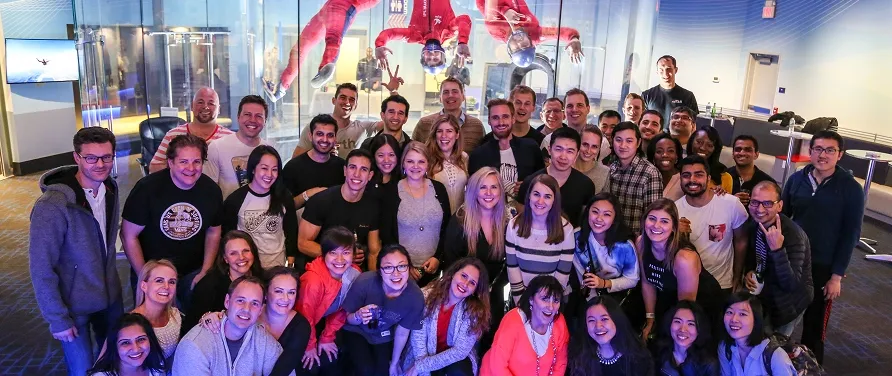
- Group events — social gatherings for 6 or more, corporate team events, and full private tunnel rentals
- STEM field trips and PE programs — school outings built around the physics of the tunnel; teachers, this is a real thing and it's excellent
- Gift vouchers and gift cards — for the person who has everything and owns nothing that flies
Prices vary by location, day, and package size. One current tip: iFLY has been running promotions on multi-flight shareable packages, so check the current offers before you book — the 4-flight package has been the sweet spot for families.
Tips to Get the Most Out of Your First Flight
- Book the first slot of the day if you have young kids — tunnels are calmer and lines are shorter
- Relax. Literally. Tense bodies wobble; loose bodies fly. The instructor will remind you, kindly, repeatedly.
- Keep your chin up and legs a little bent — it's the single most useful thing from training class
- Split a shareable package before buying everyone their own — two solid flights beat four rushed ones for most first-timers
- Say yes to High Flight if it's offered to you. Just once. Trust the reviews.
- Watch the flights before yours from the glass — you'll learn more from one real flyer than from all the diagrams
The Final Preflight Check
Indoor skydiving is one of those rare activities that lives up to the trailer. It's real enough to make your hands shake slightly at the door, safe enough to bring a first grader, and short enough that everyone leaves wanting more — which, from a business-model perspective, is clearly the point, and from a parent's perspective, is a win.
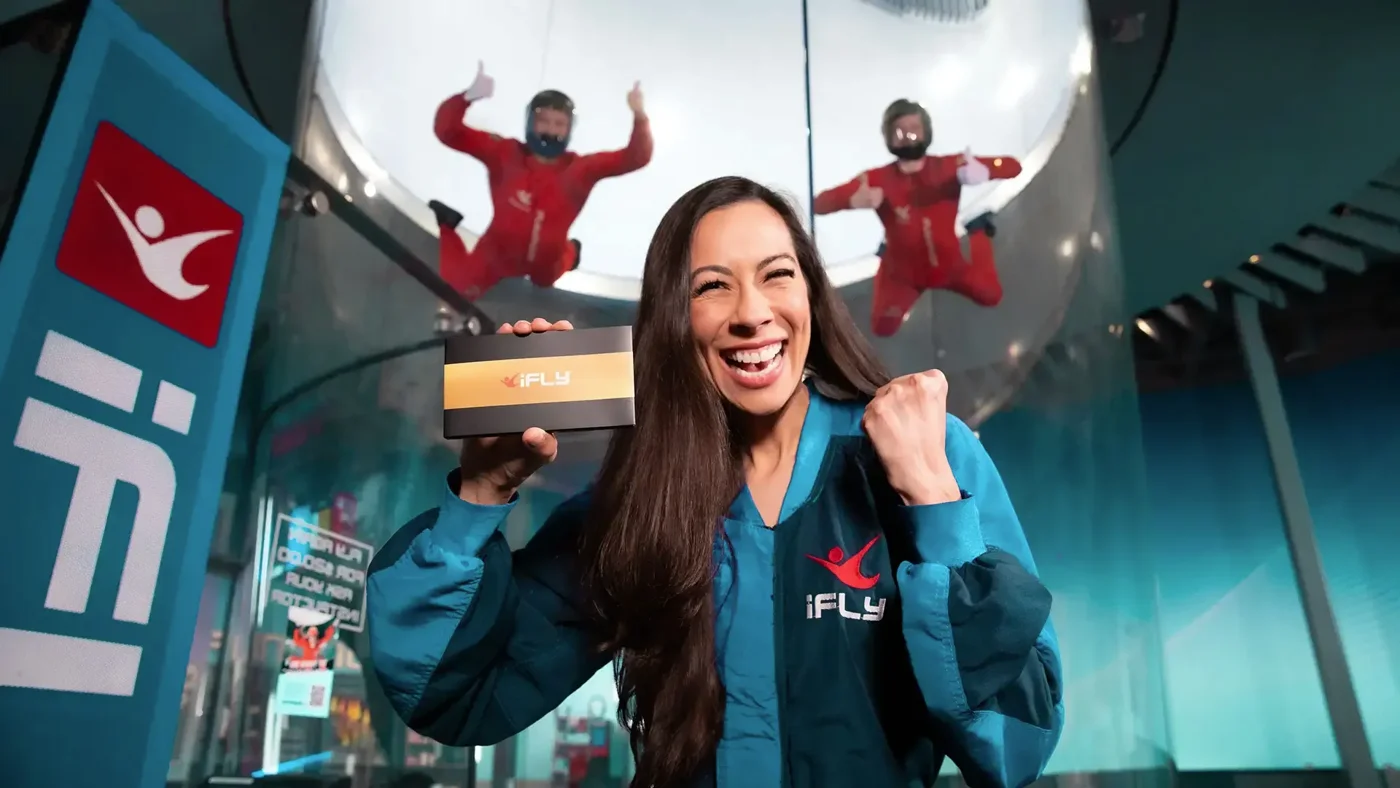
Check availability at your nearest tunnel, grab a shareable package while the promotions are running, and go find out what your face does at 120 miles per hour. Book your first flight at iFLY here.
First flight tips of your own? Drop them in the comments — especially the "wish I'd known" ones.
Sources & further reading
Source review: October 10, 2026. Confirm current terms and availability before buying or booking.
Girl In Home creates practical guides to style, home and travel. Our new buying guides explain selection criteria and tradeoffs; they do not claim hands-on testing. Our approach.