Home & Living
A Calm Living Room on a Realistic Budget
Make a living room easier to use through furniture placement, lighting, measured purchases, and practical textile choices.
This story may contain affiliate links. We may earn a commission on qualifying purchases. Read our disclosure.
IN THIS STORY
Define what the room needs to do
A living room may be a place for dinner, television, reading, work, and visitors within the same day. A beautiful photograph usually captures only one of those activities. Write down your three most frequent uses and make them the design brief. If you eat at a small table every evening, that function deserves more attention than an occasional party setup.
Set a spending limit before choosing a palette. Divide it into necessary repairs, functional purchases, and decorative extras. This prevents inexpensive accessories from quietly consuming the money needed for a better lamp or a missing chair. A calm room is often the result of fewer unresolved practical problems, not a particular shade of beige.
Rearrange before replacing
Measure the furniture you own and sketch the room with doorways, windows, and fixed features. Try moving the sofa or chair to improve the route through the space. Avoid placing furniture where it interferes with heating equipment or access; follow the relevant equipment instructions. A small change in position can make a room feel more generous without buying anything.
Consider where people put a drink, charge a device, or set down a book. A sofa that looks centered may still feel awkward if there is no nearby surface. Use an existing stool or small table to test the position. Give furniture enough breathing room to function, rather than pressing every piece against a wall by default.
Choose a focal point you actually use
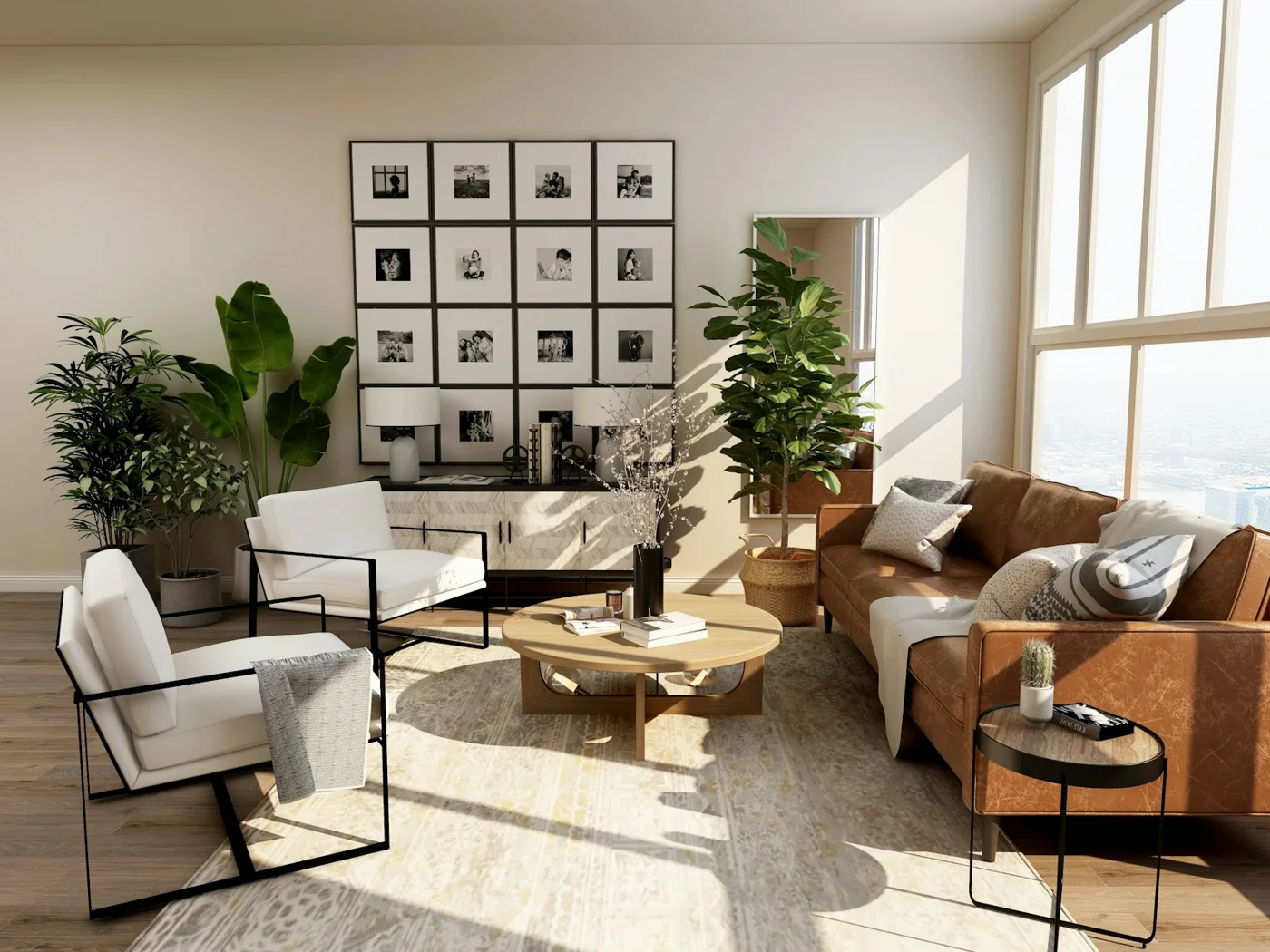
The focal point might be a window, shelving, artwork, or a television. Let the seating arrangement acknowledge it without making every other activity uncomfortable. If two people regularly talk while one watches a screen, a movable chair can be more useful than a rigid symmetrical layout.
Do not buy a large decorative object simply because a wall seems empty. Live with the arrangement first. A quieter wall can balance a room containing books, plants, and everyday objects. If you want art, measure the available area and consider the viewing distance before choosing a frame size. Personal photographs or prints you already own can create a more meaningful starting point.
Layer lighting around tasks
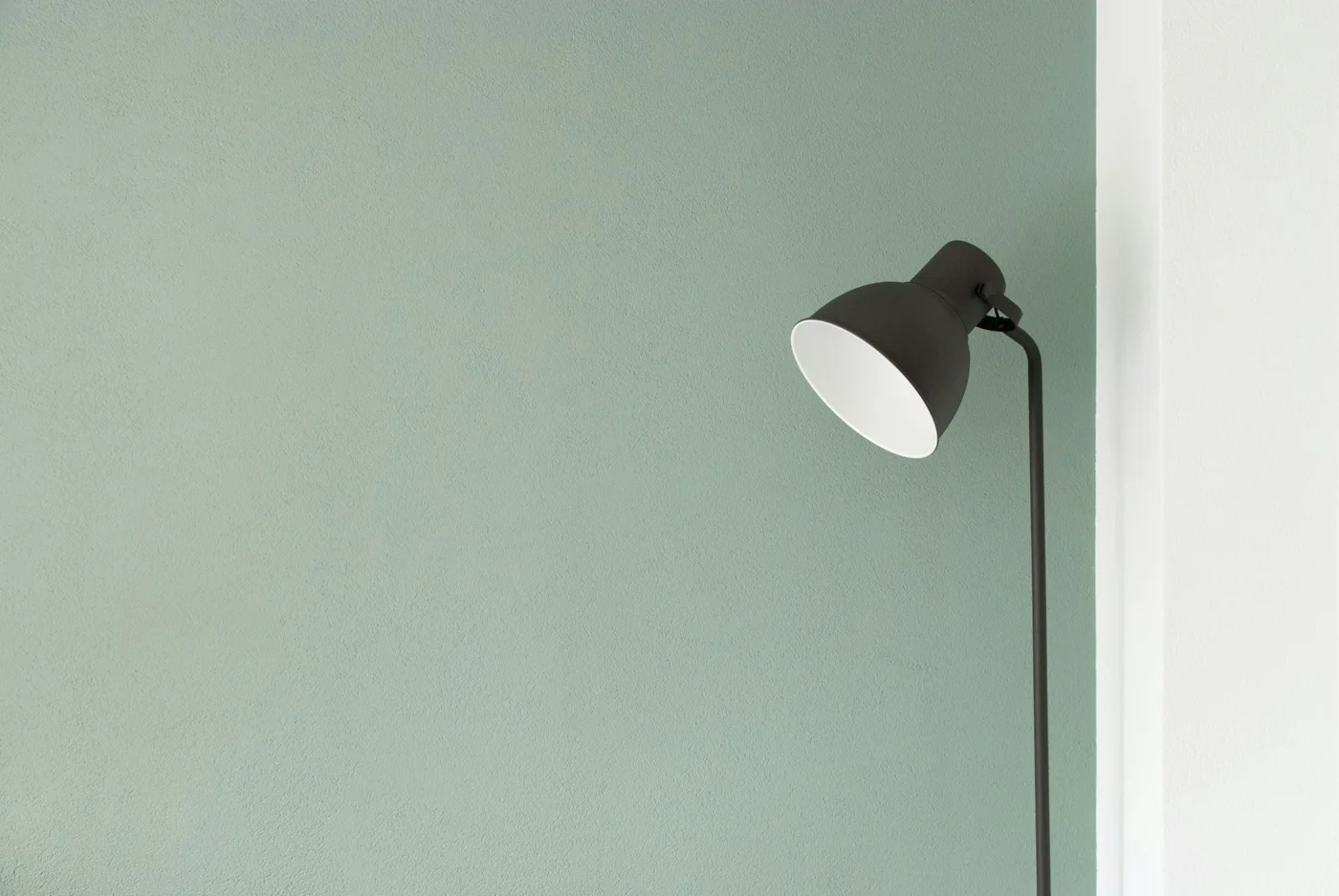
A single overhead light may be sufficient for cleaning but less comfortable for a quiet evening. Think about where reading, conversation, and other activities happen. A lamp near a chair can provide a useful local light source. Select fixtures and bulbs compatible with each other, following their ratings and installation instructions.
Check where sockets are located before buying a lamp with a short cord. Avoid placing cables where people walk. If you need to alter electrical fittings, use an appropriately qualified professional rather than improvising. The design decision is simple: choose light where it helps the activity, then use decorative appearance as a second filter.
Make textiles work for the household
A rug can connect a seating area, but its size should relate to the furniture and walking paths. Mark the proposed dimensions with paper or removable tape suitable for your floor before purchasing. Check door clearance and the care instructions. A pale, delicate rug may be a poor fit for a busy entrance route, however appealing the photograph.
Choose cushion covers and throws based on how you live. Removable washable covers may be practical in a frequently used room, but read the individual care label. Texture can create interest without a large collection of objects. Start with one or two additions and see whether they improve comfort rather than filling every seat.
Buy storage for what remains
Sort the items that accumulate before choosing storage. Books, games, chargers, and paperwork have different requirements. A closed cabinet can reduce visual clutter, but it must have usable internal dimensions and an accessible location. A basket is convenient for a throw; it is less useful for small items that disappear at the bottom.
Measure the footprint, door swing, and access route for any larger purchase. Check delivery dimensions as well as the final room layout. Flat-pack furniture still needs assembly space and installation according to the manufacturer's instructions, including any required anchoring. Keep the process realistic for the building and household.
Create a spending order
Fix the most irritating daily problem first. That might mean replacing an unstable table, adding appropriate reading light, or finding storage for a frequently used collection. Next consider the larger textiles, then small decoration. Each step should support the activities listed at the beginning.
Secondhand furniture can offer value, but inspect condition, dimensions, and suitability before committing. Include transport, cleaning, and any repair costs. A low purchase price is only part of the total. For the adjoining arrival area, use our small entryway guide; for maintenance, try the weekly home reset.
Living-room questions
Should everything match? Repeated colors or materials can connect different pieces without requiring a complete matching set. Keep useful furniture and build relationships around it.
How many cushions are enough? Enough to make seating comfortable without needing to remove a pile before sitting down. The room's actual use determines the number.
What gives the quickest improvement? Clear the walking routes, place everyday objects within reach, and check the lighting for your evening activities. These changes reveal which purchases would genuinely help.
For storage-furniture setup, IKEA explains its approach to anchoring clothing storage furniture. Use the instructions supplied with the particular item you choose.
Sources & further reading
Source review: October 10, 2026. Confirm current terms and availability before buying or booking.
Girl In Home creates practical guides to style, home and travel. Our new buying guides explain selection criteria and tradeoffs; they do not claim hands-on testing. Our approach.